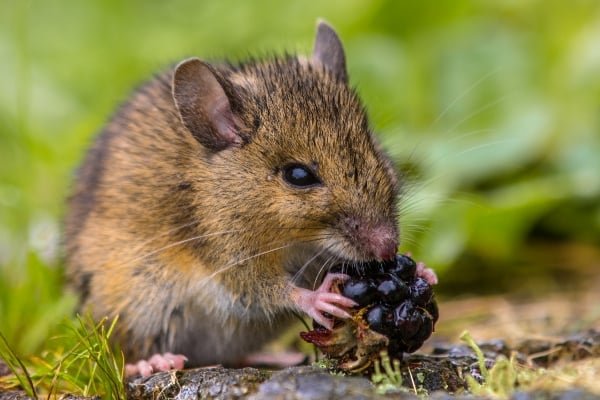
Rats and mice are common pests that damage homes, farms, and stored food, while also spreading disease. Knowing what eats rats and mice helps people manage these problems in a natural way. Many animals hunt rodents as part of their daily diet, helping reduce their numbers. By understanding what eats rats and mice, homeowners, farmers, and pest control teams can support balanced pest control. They can combine nature-based solutions with professional services for better long-term results across homes and businesses everywhere.
What Eats Rats and Mice? Reality Explained
There are numerous natural predators of rats and mice in the wild and around houses. The most common hunters are cats, which are the most popular mouse hunters. Hawks, snakes and owls also prey on rats and mice, particularly in open spaces and farms. Meanwhile, they are also prey to foxes, weasels, and coyotes in their daily meals.
Rodents can even be chased or killed by dogs. These predators contribute to the natural control of rodents, but at a certain level. They are, however, not able to eliminate an infestation. For long-term elimination of rats, it is essential to maintain proper cleanliness, seal all entry points, manage the waste accordingly and store extra food in tight containers.
Birds of Prey That Eat Rats and Mice
Owls
The owls are very strong natural predators of rats and mice. Great horned owls, screech owls and barn owls hunt silently during the night. A barn owl consumes approximately a thousand mice in a single year. They eventually help in making farms, barns and surrounding houses to be a cleaner and safer dwelling place.
Hawks and Eagles
Hawks and eagles also contribute to the reduction of the rodent population in open fields. Red-tailed hawks feed on rats and mice in the daytime. Eagles like big game but will consume rodents in their presence. This helps maintain a balance in the countryside, farmland, and expansive agricultural areas that require natural pest control measures.
Mammalian Predators That Control Rodents
Cats
Cats are common predators of rats in residential and commercial buildings. For small areas, domestic cats are the right choice. These mammals probably help in handling minor populations, but for larger infestations, they fail to bring the best results.
Foxes and Coyotes
Foxes and coyotes help to maintain a constant population of rats and mice. In urban areas and rural areas, foxes prey on rodents. Coyotes also reproduce well in areas where natural land is not destroyed and where healthy habitats are maintained in the long run.
Weasels, Ferrets, and Stoats
Small but highly efficient rodent hunters are weasels, ferrets and stoats. Their bodies are so thin that they get into burrows and nests very easily. Farmers widely used them in fields and storage areas without harsh treatments of mice control Vaughan that had been in use for many years.
How Effective Are Natural Predators in Mice Control?
Natural predators help to reduce the number of mice, although not entirely. Other animals such as cats, owls and snakes can trap rodents, but they hardly ever eradicate an infestation. The breeding rate of mice is very high, and it can be challenging to keep up with them.
Predators are also unable to access the cities and homes, and this means that the mice survive and multiply. It is due to this that predators are most effective when they are applied in combination with other control measures. Natural predators can be used to supplement an effective plan along with good cleaning, sealing points of entry, and professional mice removal Barrie.
Limitations of Relying Just on Predators for Rat Control
There is an obvious limit to relying just on predators to control mice. Predators also do not have access to concealed areas such as wall space, basements and sewer lines where mice usually dwell and multiply. They also vary in numbers and hunting patterns according to the seasons, resulting in an unbalanced and unreliable control.
The attraction of predators in certain situations will result in emerging issues, including property destruction or safety issues for humans and pets. Due to these constraints, the solution should not be predators alone. Professional services of mice exterminator GTA has long-term, safe, and consistent outcomes as it can treat the underlying cause of the issue.
FAQs: Common Questions People Often Ask
1. Are cats efficient in controlling mice?
Cats can trap single mice but cannot handle massive infestations since rodents multiply fast and nest in secret places.
2. Are snakes effective in the control of rodents?
Yes, harmless snakes do a good job of reducing the number of rodents, especially in barns, gardens, and the countryside.
3. How come there are still rats in cities even when they are hunted?
The cities do not have natural predators. Excessive plenty of food, shelter, and breeding areas are available to rodents, which makes them return to cities.
4. Is professional pest control better than predators?
No, predators are beneficial but cannot destroy infestations, but professional pest control will provide long-term and effective solutions.
Take Control of Rodents Today with Top Pest Control
Rodents don’t wait, and neither should you. Top Pest Control delivers fast, safe, and proven rodent control solutions tailored to your property. Our licensed professionals eliminate current infestations and prevent future ones using advanced, eco-friendly methods. Protect your home, health, and peace of mind today. Book an inspection for reliable, affordable, and long-lasting rodent control solutions that genuinely work.