Ant infestations continue to be a significant challenge for restaurants in Canada, as changing food delivery models, eco-friendly practices, and rising customer expectations reshape the hospitality industry. Even a minor pest issue can lead to health concerns, reputational damage, negative online reviews, and regulatory complications. Understanding what attracts ants into restaurant environments is essential for maintaining hygiene standards. This article explores the common causes of what attracts ants and provides practical strategies to prevent them effectively.
What Attracts Ants? Major Causes to Know
Food Crumbs and Spills
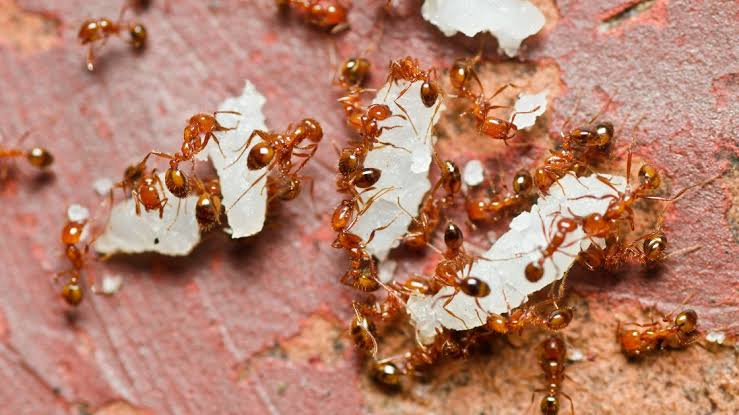
Placing the leftover food on tables, floors, and countertops is a major attraction for the ants. They get desirous towards the sugary items as well as water. Ants are attracted to even the smallest of the spills that are not cleaned properly. For efficient ant removal GTA, removing all extra food crumbs and spills is very important.
Easy Access to Water
Restaurants consume a great deal of water each day, which leads to moist conditions where ants can be found. Leaky pipes, wet mops, clogged drains as well as puddles of water are the sources that supply moisture for ants to survive and establish colonies in and around the restaurant.
Poor Waste Management
Rotting garbage barrels and food debris are a great source of attraction for the ants. Hence, not covering the trash bins properly will attract pests very easily to form an infestation. Not just for the restaurants, but this can be a major cause of ant infestation in homes.
Cracks and Entry Points
Ants enter restaurants through small cracks in walls, gaps around doors, openings as well as near windows. They draw inside in search of warm shelter, food, and water sources. Sealing these entry points will help to minimize the chance of re-infestation.
Common Types of Ants Found in Restaurants
Pharaoh Ants
The Pharaoh ant is a small, yellowish, commonly visible in commercial kitchens as well as food service facilities in Canada. They like to begin their infestation in warm room environments like near cupboards, on wall corners, as well as behind furniture. If they are present in large numbers, they can cause serious damage to the property, so immediate action on the ant control should be taken.
Argentine Ants
Argentine ants are tiny, dark, and are popular for building massive colonies. They typically seek out sugary foods and water in restaurants for survival purposes. Above all, they are prolific nesters, making their infestations widespread and difficult to eradicate.
Odorous House Ants
Upon crushing, odorous house ants give off an unpleasant smell. They are fond of sweet foods and moisture, which are very common in restaurants. Hence, these ants are known to form prominent trails, which help the exterminators to perform timely elimination.
Carpenter Ants
Carpenter ants can be an inch or more in length and are prone to damage wooden structures. They do not feed on wood, but bore into it to construct nests. Hence, they also draw into a building in search of a moist space to start building nests.
Structural and Health Risks of Ants in a Restaurant
Restaurants in Canada are significantly impacted by ants, not just structurally, but also due to health damage. These tiny pests crawl around on the soiled surfaces and generally first enter the food preparation areas. The food sources spread harmful germs when consumed. They also endanger food safety protocols and damage a restaurant’s name.
Above all, Carpenter ants can cause severe damage to wooden structures by nesting in them. Not identifying them at the right time might cause high repair and pest control expenses. An ant’s appearance may cause a customer to lose faith in the cleanliness of his or her restaurant. Proactive efforts for ant removal Barrie are vital to the protection of the restaurant environment and public health.
Smart Ways to Prevent Ant Infestation in Restaurants
Now let’s give you some preventive advice by highlighting smart tips on ant control Vaughan in restaurants:
Maintain Strict Cleaning Practices
Try to maintain proper cleanliness of the property to make it less attractive for ants. Thoroughly clean the dining tables, floor surfaces, countertops, and kitchen equipment. It is important to pay attention tohidden corners where there is a high chance for them to start infestation.
Store Food Properly
To minimize ants’ access to food, containers should always be airtight and sealed. Proper storage must be done for dry ingredients, sweet products, and prepared foods. Well-organized practices in food handling will greatly reduce the risk of attracting pests.
Dispose of Waste Correctly
Disposing of the waste is another important preventive measure to follow. Not just for ants, but it holds a primary value to control the infestation of all kinds of ants. Outdoor dumpsters need regular cleaning to prevent the food residue build-up.
Eliminate Moisture Sources
Fix any leakage in pipes, faucets, and drainage systems as soon as they are noticed. Drying off damp areas and increasing air flow can also dry out excess moisture. Limiting the standing water makes your restaurant less attractive for the ants to start an infestation.
Seal Potential Entry Points
Regularly check the restaurant for cracks, holes, and gaps around doors as well as windows. Use a sealant and install appropriate door sweeps to help prevent access. Access is a key component of long-term control of ants.
Keep Your Restaurant Ant-Free with Expert Solutions
Getting rid of pesky ants with DIY solutions is never the best idea for long-term solutions. The best approach would be to hire Top Pest Control, catering to you with customized and reliable pest management solutions. We offer eco-friendly and safe methods to eliminate the infestation after identifying the root cause of its appearance. Our team of exterminators in Canada is available to even highlight precautionary measures for your assistance to tackle them permanently.