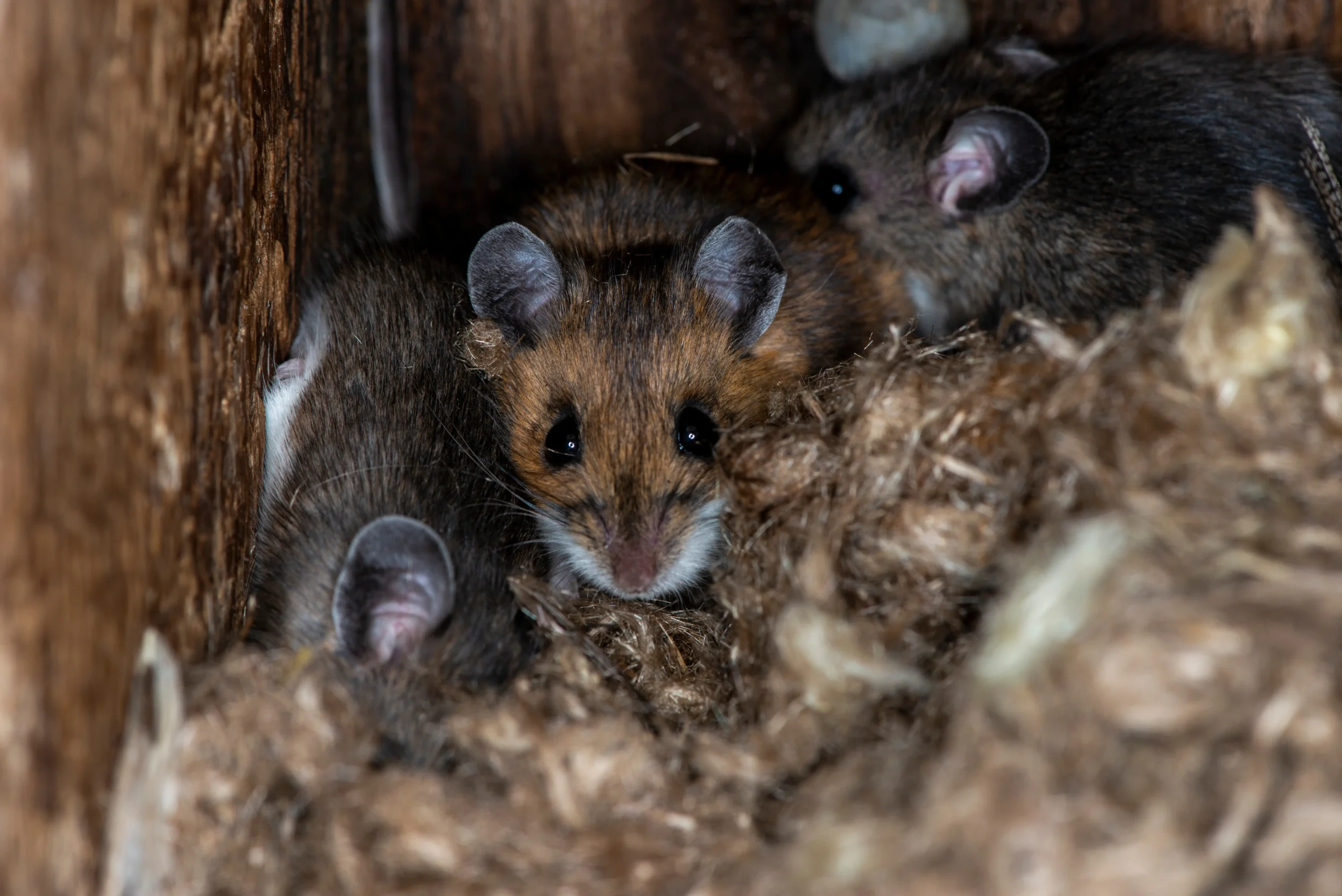
Mice are among the most widespread and adaptable pests found in homes, businesses, farms, and outdoor environments of Canada. While they may appear similar at first glance, different mouse species vary significantly in their physical characteristics, habitats, behaviors, breeding patterns, and the health risks they pose. Correctly identifying the species of mouse involved is essential for implementing effective prevention strategies and choosing the most appropriate pest control methods. In this article, we’ll explore the most common types of mice and highlight the key differences that help distinguish them.
Why Understanding Different Types of Mice Matters?
It is extremely important to understand different types of mice and how they are damaging your property or health in various ways. Each of the species in Canada act differently when they enter a home. Almost every species of mice has one aim: to step indoors, and that is in search of food, shelter, and water sources. There are some mice that can be very damaging to health, but some can be just a nuisance, making strange noises.
The homeowner can determine the mice control and prevention methods based on the type of mouse. It also helps to more accurately diagnose infestation. Greater knowledge of mice will help reduce potential property damage, health risks, food and home exposure to mice, and reduce the risk of future infestation.
Types of Mice: Habitat, Behavior, Risks, and Lifestyle
Let’s talk about different types of mice in Canada and how they differentiate from one another in terms of habitats, lifestyle, risks, and behavior.
House Mouse
One of the most widespread species of mice in the world is house mice. They usually prefer to build nesting spots within houses, warehouses, restaurants, or other buildings with access to food and shelter. House mice are nocturnal animals (active at night), with a quick breeding rate. These feed on grains and seeds as well as trash and house plants. Talking about the risks, they contaminate food, are a huge spreader of bacteria, and destroy furniture, wire, and insulation. They are adaptable, and this helps them to survive in the household and become a common household member.
Deer Mouse
Deer mice are common in rural areas and in grasslands, forests and agricultural fields. Their color is brown, with a whitish underside. They are popular of their good climbing and jumping ability. Deer mice like to nest in sheds and garages, barns and storage sheds.
They feed on seeds, fruit, insects and plants. These mice are vectors for disease, one of which is hantavirus, a major problem with deer mice. Above all, they are in close proximity to human settlements and pose a threat to humans unless handled carefully.
Field Mouse
Field mice are typically found in low-lying areas, like farm fields, orchards, woods, and pasture lands. They like to nest under rocks and in ground cover as well as at ground level. Therefore, they can be seen during the winter in houses and buildings, where they will look for warm places and food.
The major food of the field mouse is seeds, fruit, root, and insects. They can inflict damage on crops and gardens, and stored food supplies. Above all, they are seen in residential and commercial structures, leading to high levels of contamination, significant damage and the worst infestations.
White-Footed Mouse
They are quite widespread in suburban areas, woods and farms. They can be distinguished from other species by their white feet and their brown/grey color. These mice are nocturnal and are good climbers. They like to nest in holes in trees, wood heaps, sheds and boxes.
White-footed mice eat the seeds, nuts, fruits, and insects. Hence, they are capable of carrying several diseases and often serve as a contaminant of food and habitats! Once they get inside a home in a huge population, the first step is to plan smart measures of mice control Toronto.
Which Mice Species is the Most Dangerous One?
The deer mouse is believed to be one of the most dangerous mice among all species. They transmit hantavirus, a serious disease that can cause severe respiratory disease in humans. Deer mice are likely to be present in rural areas, barns, sheds, and storage buildings/
House mice may be a source of bacteria, spreading it across the food, but the health concerns with deer mice are more serious. Hence, all kinds of mice infestation should be dealt with great care because each of them causes damage, food contamination and creates poor living conditions.
Common Nesting Locations for a Mice Infestation
Mice generally favor quiet, dark, sheltered places with easy access to food and water for nesting and sleeping. For the indoors, common nesting locations are attics, basements, under roofs, wall spaces, kitchens, and storage rooms in garages. Mice often burrow under furniture equipment. and into insulation materials as well as behind appliances.
They may build nests on piles of manure, sheds, and gardens, or on piles of debris outside. Mice construct their nests with paper, fabric, insulation as well as dried plants. Hiring the expert services of pest control Toronto helps you determine the nesting spots early for quick elimination.
Stop Mouse Problems Before They Multiply
Let your house be free from the attack of squeaking mice with the expert services of Top Pest Control. We are here to give your home complete freedom from the mice infestations at all levels. Our team of exterminators in Canada handles the property inspection with great care to understand which areas of the home are prone to the attack of mice. Hire us now and let us help you make your home rodent-free.