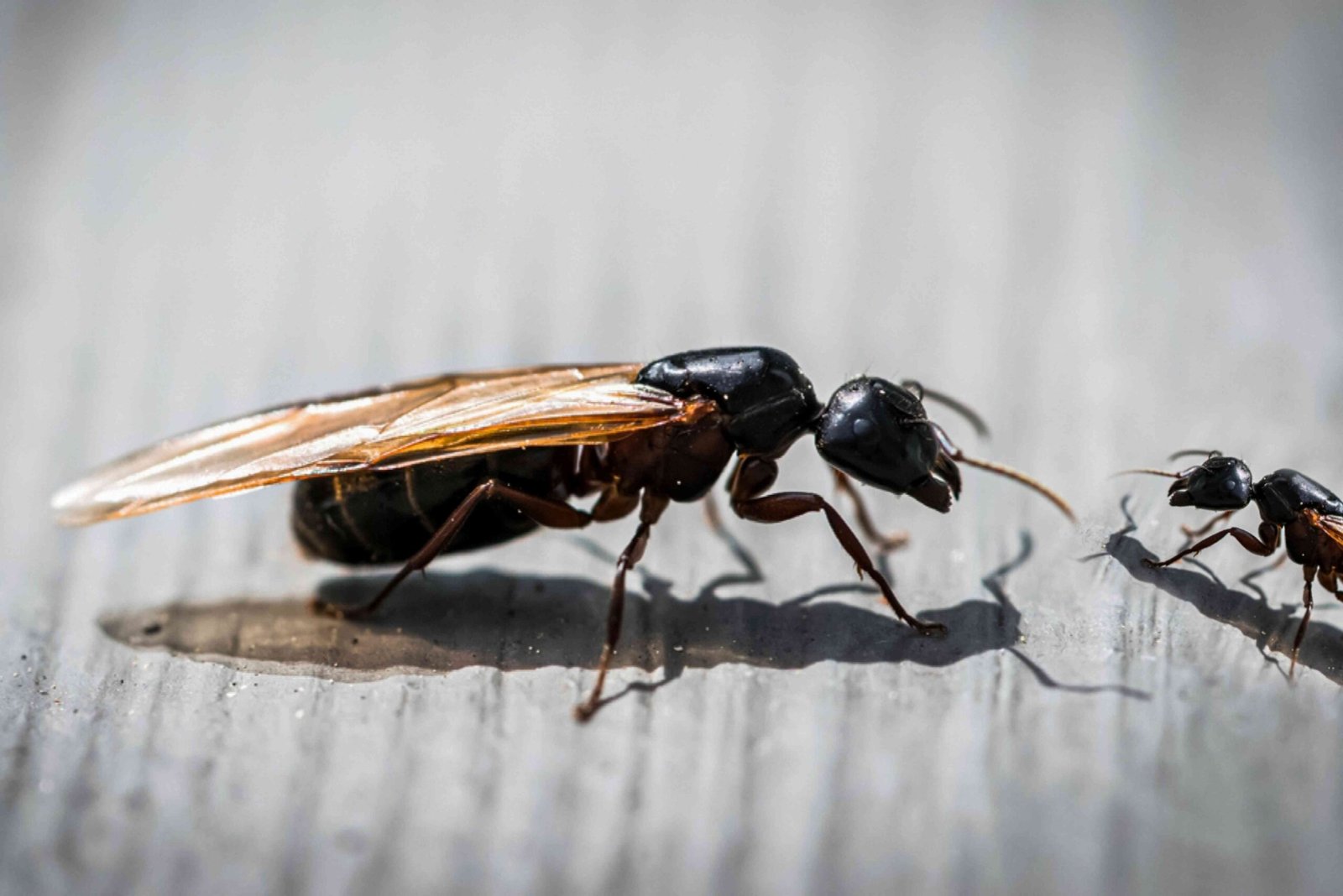
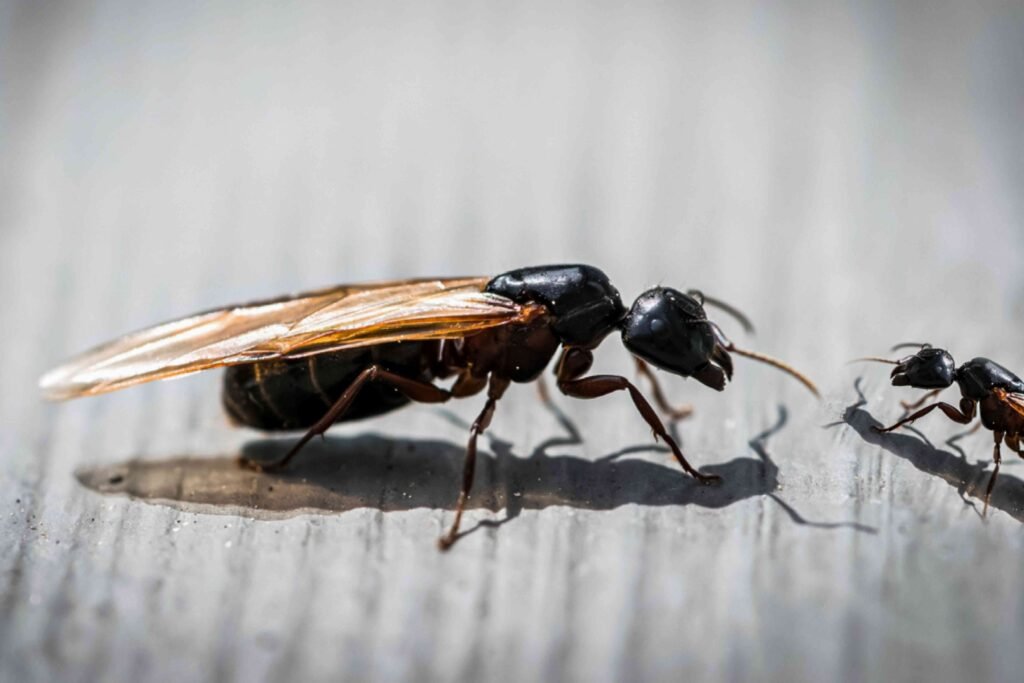
Flying ants are a common seasonal pest that can quickly become a concern for homeowners. In Toronto, these winged insects are frequently common during the warmer months when colonies begin their reproductive cycle. While they may seem harmless at first, flying ants can indicate a larger infestation problem that requires prompt attention. This article explores how to identify flying ants in Toronto, understand their causes, recognize warning signs, and discover effective solutions for prevention and treatment.
Overview of Flying Ants in Toronto
Flying ants are very common in Toronto during the spring and summer seasons. Although they are not the new species, they are such winged ants that are capable of starting a new colony. They are common in groups, flying around in search of water, food sources as well as suitable nesting areas around homes. Although most flying ants are harmless, they may become a nuisance if they build nests in homes. Locating them at the right time helps the homeowners to plan smart measures of ant control Toronto against future infestation.
Common Signs of a Flying Ants Infestation
Let’s talk about a few common signs to identify the infestation of flying ants in Toronto:
Large Numbers of Ants Indoors
One of the most obvious signs of an infestation is if you see lots of winged ants flying around your home. They congregate around windows, doors, and light sources, particularly in their breeding season.
Piles of Discarded Wings
Once mated, the flying ants drop their wings. If scattered ant piles are located near windowsills, doorways, or within, it may be that flying ants have entered the house and started a colony.
Ant Activity Around Walls and Floors
When ants are often visible along walls, baseboards, floors, or in the kitchen area, look for an active ant nest in the area. Flying ants often go together with increased activity of ants.
Small Openings or Nesting Areas
Flying ants can enter your home through openings, gaps as well as cracks around the home. If you notice small holes or openings around the home, there is a high possibility that insects are entering your property.
What Causes Flying Ants in Toronto to Invade Homes?
Flying ants invade Toronto homes because of various factors. They may be attracted to food, water, and safe nesting areas. Ant colonies generally thrive in wet basements, poor drainage, and leaky pipes. Food crumbs, uncovered garbage, and convenient pet food make them an indoor harborage.
Above all, they search for appropriate locations to establish a new colony and can invade houses during the mating season. Cracks in walls and gaps around windows and doors, and damaged buildings can be an easy access for their entry. Maintaining good repair and cleanliness will help to keep their infestation to a minimum. If controlling them in a huge population is not an easy task, then hire the expert ant removal services right now.
Major Risks of Flying Ants in Toronto Homes
Not controlling them at the immediate time will create a huge nuisance situation for the homeowners. Hence, these ants can cause damage to wood structures by making nests. In heavy infestations, it gets difficult to eliminate the infestation, and it gradually spreads around the property.
Flying ants have also been reported to cause an unpleasant living environment in dwellings and to contaminate food. The large numbers of their sudden appearance can be a source of concern and stress for homeowners. Another way flying ants can indicate moisture and/or structural damage to the home. Proper treatment of pest control Toronto at an early stage will help counteract more serious issues.
Smart Ways to Prevent Flying Ants in Toronto Homes
Sealing all Possible Entry Points
Use mesh caulking to close all holes, cracks, or gaps around windows, doors, and foundation. Regularly check outside walls and fill holes and tears in walls immediately. Weatherstripping and caulking provide good barriers and minimize indoor infestations, and can help keep the home clean and pest-free all year.
Remove Standing Water Sources
Flying ants like to feed on moist areas. Fix leaks and dehumidify basements and ventilate basements. Avoiding excess moisture can help make your home less attractive to nesting colonies and help prevent pests. This approach also enhances the comfort and cleanliness of the homes.
Proper Storage of Extra Food Items
Store food in sealed containers, clean kitchen surfaces frequently, and discard collected waste promptly. By eliminating food sources, ants are less likely to build nests in houses and to re-infest. All house pest control techniques are reinforced by good sanitation practices and help keep the indoor environment healthy.
Maintain a Clean and Well-Kept Yard
Trim branches, clear away mulch or any organic material around the foundation of the home. Regular outside maintenance can minimize opportunities for flying ants to enter the home during their swarming season. A landscaping inspection assists in determining if ant habitats are possible and present in areas where the ants have not yet been found on your property.
Stop Flying Ant Infestations Before They Spread
Is it hard for you to control the ants flying around your home? At Top Pest Control, we offer expert services in eliminating the ant infestation to give your home complete protection against the insect attack. Our exterminators team inspect the property to identify the root cause that is drawing them in. Let’s help you to give your property a sign of an ant-free environment.