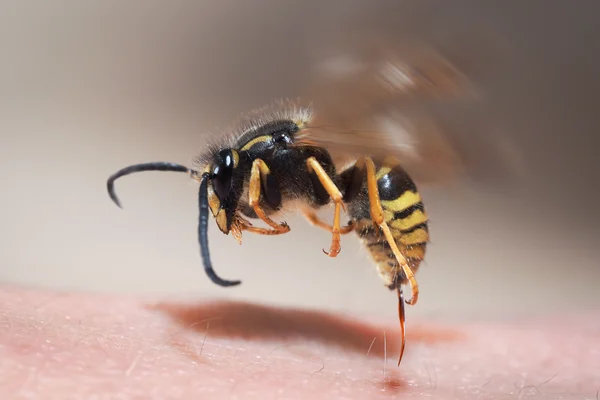
There are many people around in Canada who, at some point in life, have had a frightening experience with wasps. For them, it is confusing to understand do wasps sting or bite. Having a bunch of wasps around you can create panic, leading to incorrect treatment. In reality, these buzzing pests generally use their stingers for defense purposes, but other species will bite. Understanding the difference of do wasps sting or bite will help you take the best measures of elimination from your home. This guide explains all insights about do wasps sting or bite and how to seek medical help if they do.
Major Trigger Points: Why Wasps Sting?
Hence, there are many ways through which a human triggers the wasps to sting them immediately. Among the key triggers are the accidental act of disturbing their nest when gardening, cleaning, or passing by. It can also attack when there are sudden movements of the hands and attempts to swat a wasp. Strong odours of perfumes, sweet drinks and food can also attract them, which raises the risk of being stung. For them, bright clothing and outdoor garage bins are an equal major attraction. During the summer season, they get extremely aggressive. Loud sounds and vibrations around their nest can also disturb them. If you notice them in a huge population, make sure you plan quick measures of wasp control Vaughan.
Common Signs and Symptoms of a Wasp Sting
Pain and Burning Sensation
A wasp bite normally comes in the form of sharp pain. Lots of individuals in Canada experience burning or stinging pain right after the sting. Depending on the individual, the pain can take a few minutes or even more. The area is usually sensitive to touch and could be sore for several hours later.
Redness and Swelling
The skin surrounding the sting is usually reddish and swollen. Swelling can remain small or extend in the periphery of the affected part. Others also experience the warmth in the area of the sting. Mild swelling is not unusual and can normally go away in a day or two without severe medical interventions.
Skin Irritation and Itching
Once the pain vanishes, itching can occur around the area of the sting. The skin may be sore, tight or uncomfortable. Swelling and redness can be aggravated by scratching the area. To make sure that the skin is calm and free from irritation, it is possible to apply a cold pack and not touch the sting that often.
Allergic Reactions
A wasp sting can cause some people to have an allergic reaction. Some of the signs include severe swelling, difficulty breathing, dizziness or hives on the body. These are symptoms that can manifest rapidly and can be hazardous. One should seek urgent medical attention in case he or she exhibits the signs of a severe allergic reaction following the sting.
Ways on How to Treat a Wasp Sting at Home
Carefully Wash the Sting Area
Gently wash the area of sting with soap and clean water. This helps in getting rid of dirt and minimizing the possibility of infections. Rather than rubbing the skin, blot it with a soft towel. One of the most crucial and first steps in home treatment is to maintain the area clean.
Use a Cold Compress
Put a cold pack or ice in a cloth on the sore part of the body. It is useful in decreasing swelling, pain and redness. Direct applications of ice to the skin cause extreme irritation. Repeat every day twice a day, in case of ongoing pain or swelling.
Use Anti-Itch Creams
Ancient itch cream or calamine lotion can also be helpful to treat itching and irritation. The products of this kind will assist in cooling and calming the skin. Use it as per the directions on the label. Never scratch the sting as it can cause even more swelling or form complications with the skin infection.
Take Over-the-Counter Medicine
Antihistamine medications and painkillers help to lessen the pain, swelling and itching caused by a wasp sting. When taking any medicine, always remember to take the right dosage of medicine. Call a doctor if the symptoms are severe or unusual. Sting can be relieved by medical drugs, which will automatically help the body heal.
Smart Tips to Prevent Wasps Around Your Home
Keep Food and Drinks Covered
Wasps are attracted to sweet foods and drinks. During outdoor meetings or picnics, be sure to cover the food. Clean up spills as soon as possible and never leave sugary stuff uncovered. Seal the trash bins to keep these flying insects not attracted to your property. This is an important measure for a quick wasp control barrie.
Sealing Entry Points
Wasp may also enter or nest in the wall via small holes, and so you should look in windows, doors and cracks in the wall. Seal such holes using caulking materials. The infestation of wasps may be prevented by regular check-ups inside the house where they make their nest. It is preferable to exclude than to evict at an advanced stage a great nest.
Remove Nests Carefully
You come across a wasp nest; you can remove it now, it is small, before it gets bigger. When the wasps are at work, do not disturb the nest during the day. Professional services of wasp nest removal should be sought to help with it. It will help avoid the chances of being stung or making a wasp aggressive by avoiding nests.
Clean Outdoor Areas
Keep gardens, patios and outside areas clean, to help keep wasps away. Clean fallen fruits, and expired food, and standing water. Wasps have also been known to find out where they can find food easily. In the summer months, such insects will be less appealing to the outdoors due to a clean and orderly house.
Stop Dangerous Wasps Before They Take Over Your Property
Don’t let aggressive wasps put your family, employees, or customers at risk. At Top Pest Control, our trained specialists provide fast, safe, and effective wasp nest removal for homes and businesses. We use proven treatment methods to eliminate infestations and help prevent future nesting in Canada. Whether you’ve spotted a single nest or ongoing wasp activity, we’re ready to help.