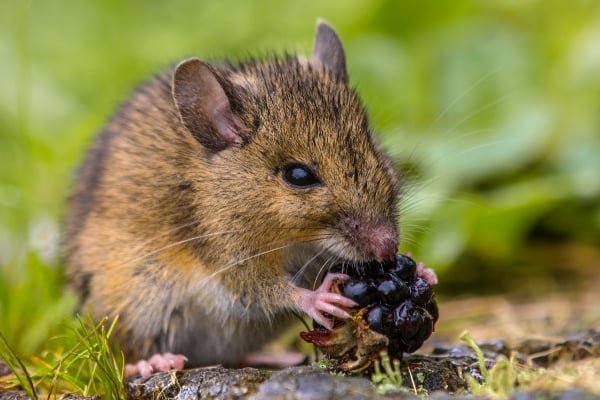
Rodents such as mice, rats, voles, and squirrels are among the most widespread mammals on Earth. They survive in the forests, grasslands, farms and cities. Due to their high reproductive rate and adaptation, rodent populations are easy to control if you avoid ignoring their infestation, which gives them a chance to grow. Nature balances itself with the predators that use rodents as one of the primary food sources. Knowledge of what eats rodents enables homeowners, farmers and businesses to value the natural food chain and, at the same time, understand when professional pest management is required.
The Role of Rodents in the Food Chain
Rodents are significant in maintaining the natural systems in a balanced state. They live on plants, seeds and crops and convert this into energy, which sustains numerous predators. Birds, snakes as well as mammals are some of the animals that rely on rodents as their food. This relationship predetermines the regulation of the number of rodents and the security of farms and nature.
In the presence of predators, the population of rodents remains within reasonable limits and reduces crop and structure damage. Transmission of disease is also reduced through this balance. All in all, rodents play a significant role in connecting plants and predators to keep the ecosystem healthy and stable.
Common Birds of Prey That Eat Rodents
Owls
Owls are eloquent hunters in the night who fly silently as well as have hearing sense. They are dependent on rodents, which include mice, rats and voles, to feed. Common examples include the barn owls, the screech owls and the great horned owls. Owls naturally and safely decrease pest issues by preying on rodents on an all-year-round basis and help farmers and landowners to this end.
Hawks
Hawks are day hunters and have good eyesight, as they can see rodents as far as possible. Other species, such as red-tailed hawks, tend to hunt mice, rats as well as ground squirrels in the open fields and around houses. The consistent nature of their hunting activities contributes to maintaining the low rodent population in the countryside.
Eagles and Falcons
Eagles and falcons predominantly feed on large animals, although rodents are also their food. During high-speed flight, falcons tend to catch rodents of small size. In the event of the presence of ground squirrels or large rats, eagles can feed on them. Another element these birds bring is to expansive open areas where rodents are found.
Mammalian Predators That Feed on Rodents
Foxes
Foxes are intelligent and flexible predators, which consume mice, rats, voles as well as squirrels. They are active during the day and night and may even be near farms and towns. Foxes reduce crop loss by frequent rodent hunting patterns to restore equilibrium in natural and ecological landscapes.
Coyotes
Coyotes are very active for the rodent control Barrie in most areas. Their food consists of mice, rats and ground squirrels. Coyotes move widely during hunting, contributing to the reduction of the rodent population. They also scare the rodents, thus minimizing harm to the land and food stocks.
Cats (Domestic and Wild)
Cats are wild creatures who have a good instinct for preying on rodents. Hence, domestic cats tend to hunt mice and rats around houses, whereas the wild cats rely on rodents for survival. Cats can only manage large infestations with assistance. They thrive best in a broader equilibrium of other predators.
Weasels, Ferrets, and Minks
These miniature hunters are very efficient in rodents. Their bodies are very slim to enable them to get into burrows and cracks where rodents are hiding. Weasels, ferrets as well as minks are predators of mice, rats and voles. Their predator prowess enables their usefulness in the natural control of rodents.
Reptiles and Amphibians That Eat Rodents
Cold-blooded animals also help in performing quick rodent removal Vaughan. Some of the species of snakes that are found to rely on rodents as a primary food source include rat snakes and king snakes. They reside in fields, forests and farm structures where rodents are prevalent. Rodents can also become prey of large lizards that live in warm areas.
These predators are silent and constant workers, which helps in controlling the increase in rodents. Meanwhile, reptiles help maintain balance in areas where other predators may be less active or less abundant by feeding on rodents.
How Natural Predators Help Control Rodent Populations?
Natural predators help to maintain healthy levels of rodents. Through feeding rodents, they control overpopulation and destruction of crops, houses as well as food stores. Also, predators alter the behaviour of rodents, making them more circumspect and less active in the open terrestrial environments. This will curb the transmission of illness and restrict devastation.
In urban areas and crowded communities, however, there might be an insufficient supply of predators. Rodents can flourish in an abundance of food and shelter. Predator activity, then, is effective in these instances combined with appropriate control of the wastes and a clean environment to achieve long-term outcomes.
The Importance of Human Intervention in Rodent Control
Natural predators can control rodents, but it is a human intervention that is required to ensure the safety of health and property. Rodents transmit diseases, contaminate foodstuffs, nibble on electrical cables as well as destroy walls and foundations. These dangers are more prevalent in residential buildings, commercial buildings and cities where rodents have easy access to shelter and food.
Human intervention aims at prevention, such as cleanliness, closing entry points, and handling of waste. Professional pest management offers effective control of problems that increase. Through smart habits and professional rodent exterminator GTA, individuals can decrease rodent activity, secure property, and have safe and healthy living and working environments.
Get Rid of Squeaking Rodents with Top Pest Control
Rodents may have natural predators, but your home or business shouldn’t rely on chance. Top Pest Control offers expert rodent removal, prevention, and long-term protection tailored to your property. Our trained professionals use safe, effective, and proven methods to eliminate rodents and stop them from returning. Protect your health, property, and peace of mind with a trusted pest control partner. Contact us today for a rodent-free environment you can count on.