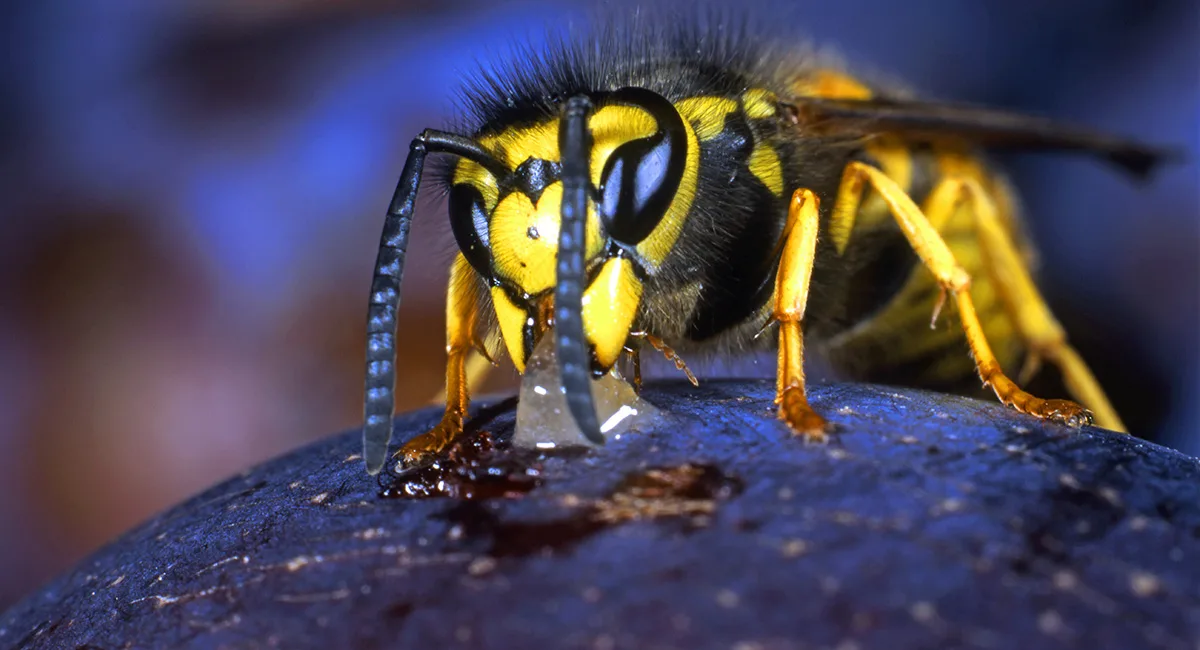
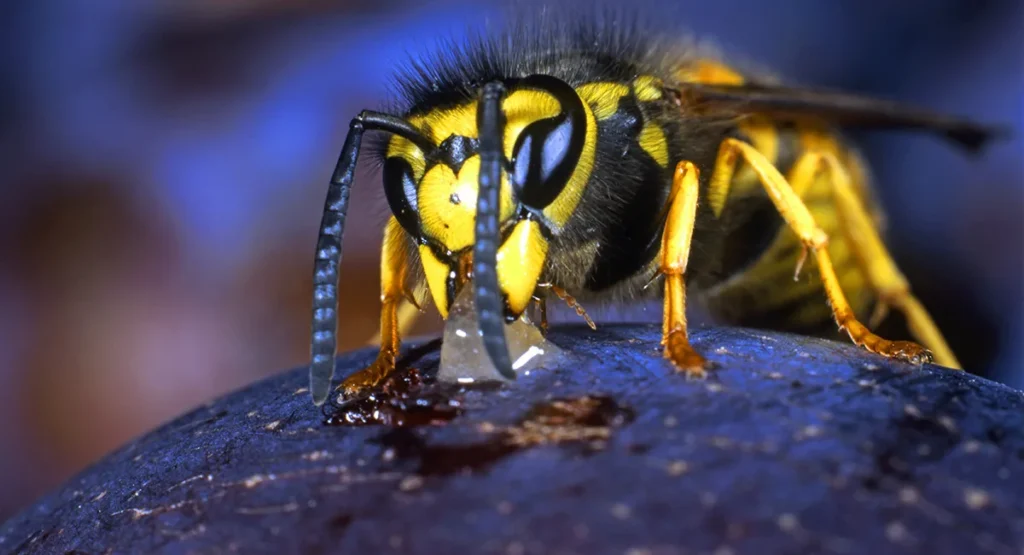
Wasps are among the most feared insects in many parts of the world, especially due to their painful stings and aggressive defensive behaviour. Nevertheless, wasps are a necessary component of natural environments despite their notorious reputation. They support the regulation of pest populations, plant pollination and balancing the ecological equilibrium. Knowing what eats a wasp helps residential owners, farmers and gardeners to measure the ecological value of such insects besides learning effective and safe methods of controlling an infestation without harmful treatments.
What Eats a Wasp? Common Predators to Know
Birds That Hunt Wasps
Many birds also consume wasps. Some species, such as the European Bee-eater, are popular to trap flying insects in the air. They pull off the stinger, and then, they eat him. Other birds like the swallows and sparrows also do wasp feeding. These species of birds control the excess population of wasps in gardens and open space areas. They are useful in the outdoor wasp nest removal GTA as they hunt naturally.
Mammals That Feed on Wasps
It is the skill of some mammals to locate and consume the wasps. The European Badger excavates nests to lengthen its larvae. Some of these wasp nests in the ground, which gets the attack of Raccoons and Skunks. They wear their thick fur to keep off stings. These mammals are significant in ensuring that wasp groups fully in control within suburbs and rural settings.
Reptile/Amphibian as Predators
There are several reptiles as well as amphibians which consume wasps when they come across them. Lizards often catch wasps that fly near. Tongues of frogs and toads seize them. Although they do not seek nests, they reduce the number of wasps. In hot areas, such mini hunters are beneficial in controlling insects in gardens and around houses.
Insects That Prey on Wasps
Wasps are not hunters only; they are hunted also by other insects. Praying mantises are waiting and seize wasps with their powerful forelegs. A dragonfly catches them. Wasp species of greater size can attack smaller ones. These insect predators are useful in stabilizing the insect world and ensuring that the number of wasps is not excessive.
Spiders and Nest Invaders
Wasps are caught in thick webs of spiders. When the wasp gets into a trap, it is unable to come out. They can be safely wrapped and fed on by larger spiders. Other ants also invade the wasp nests to rob them of eggs and larvae. These nest raids can take down whole colonies. This natural force, in the long run, reduces the number of active wasps around the houses and buildings.
Overview of Wasps and Their Role in the Ecosystem
Wasps are a form of insects which belong to the category of Hymenoptera, part of bees and ants. They have important functions in the ecosystems as predators and pollinators. Numerous wasps also regulate the population of pests, eating caterpillars, flies and other insects, providing protection to crops and establishing an ecological balance.
Plant reproduction and biodiversity are also supported by some of the species of pollinating plants, as they feed on nectar. Wasps also help in nutrient circulating since they feed on decomposing organic products.
They might sting, but most of the wasps are not aggressive. They are very important in healthy ecosystems, which are advantageous to agriculture, natural ecosystems, and overall climate stability.
How do natural predators help in Wasp Control?
Wasp control Vaughan is important to the contribution of natural predators. Wasp population is reduced by birds, mammals, reptiles and even insects. They prey on adult wasps and frequently destroy nests to access larvae. This reduces the risk of massive colonies around the houses.
When nature remains in balance, the activity of the wasps can be dealt with more easily. This can be achieved by encouraging birds and other wildlife in your yard. Helpful species can be attracted using simple measures such as planting native plants or creating water sources. Although predators might not eliminate the wasps, they offer uniform and environmentally friendly control in the long-term.
Seek Professional Help for Long-Term Wasp Control
Well, natural predators might be useful, but they might not solve severe wasp issues. Huge nests close to doors, roofs or gardens can continue to be dangerous. Under such circumstances, professional services of wasp removal Barrie perform the methods safely and effectively. Professionals are aware of the means of finding nests and eliminating them without dispersing the colony.
They also offer guidance to avoid future attacks. The process of long-term control is frequently inspection, safe treatment, and follow-ups. Hence, the option of professional hiring secures your home and family. You will have the ability to have peace of mind with professional assistance and a more secure outdoor environment all year round.
FAQs: Common Questions People Often Ask
1. Do spiders eat wasps?
Yes, lots of big spiders feed on the wasps in a web and release poison onto them. This makes them a significant natural predator of gardens and forests.
2. Can frogs eat wasps safely?
Frogs and toads may eat wasps. They can get hold of them but are not stung. Hence, they hastily swallow them and attack the weakest insects.
3. Do wasps eat each other?
Certain species of wasps attack competitor nests or eat larvae when there is a food shortage. This contributes to competition in the wasp population and a naturally balanced population.
4. Why don’t the predators kill all the wasps?
Wasps are fast breeders, nest defenders and are adaptable to most of the environments. They can survive even in the presence of many predators in the wild.
Eliminate Dangerous Wasps with Top Pest Control Services
Don’t let aggressive wasps threaten your home, family, or business. The expert team of Top Pest Control provides fast, safe, and eco-friendly wasp removal using advanced techniques. We locate hidden nests, prevent future infestations, and ensure long-term protection. Whether it’s residential or commercial, our certified professionals deliver long-term results at affordable prices.