Wasps are generally misunderstood by people as a form of insect, which are popular for their aggressive behavior and painful stings. Thus, these stinging insects do play a major role in ecosystems for pollination and pest control. For understanding their feeding nature, it is important to learn what do wasps eat. Exploring their diet routine and how seasonal changes impact their feed will play a key role in controlling their population. This guide explains what do wasps eat and gives some quick facts about their feeding habits.
What Do Wasps Eat? Reality Explained
Wasps are much more diverse feeders than most individuals acknowledge. They do not rely on one source of food but adjust their intake according to availability and stage of life. Several species are insect predators. Hence, they help in controlling pests in gardens and farms. Sweet juices like fruit juices and nectar are also attractive to others. For a quick wasp control Vaughan, it is important to cover all these food items away from wasps attention.
Such a dual feeding method helps to sustain the energy requirements as well as the growth of the colony. Simply put, wasps strike a balance between protein and sugar in a way that maintains their ecosystem in balance and at the same time ensures their survival.
Common Things Wasps Love to Feed On
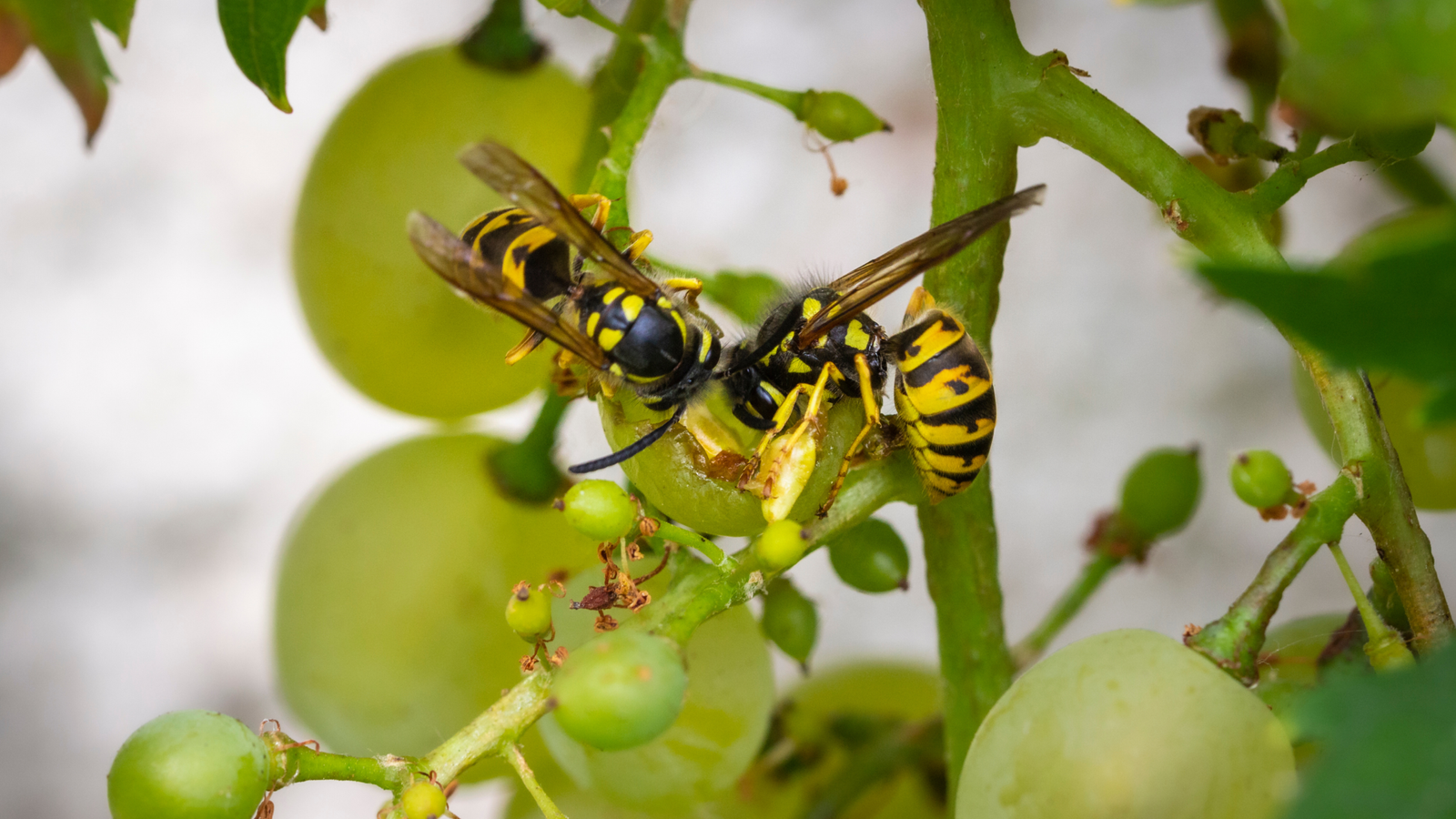
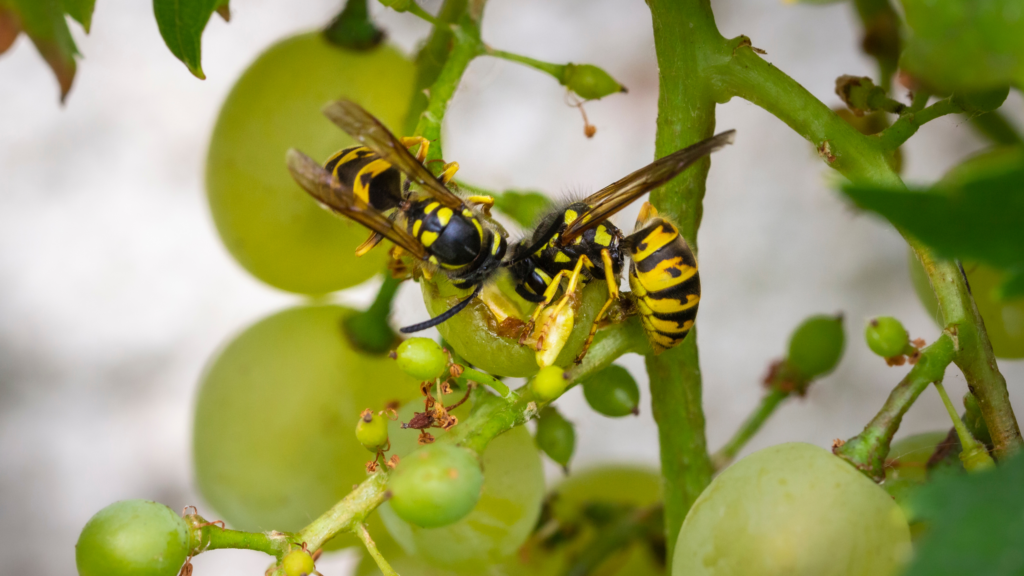
Wasps are inherently fond of getting closer to protein-rich food such as sweet items. They usually prey on caterpillars, flies and other small insects to provide food for their growing kids. Meanwhile, adult wasps search for nectar, ripe fruits, and sap of plants as sources of energy.
They like to feed on sweet beverages, desserts and food remnants that are very common urban areas. This wide range of appetite enables them to survive in both natural and human environments, and so they are very adaptable and, in some cases, unwanted visitors.
What Do Wasps Eat? Adults vs. Baby
Adults
Adult wasps are mainly attracted to sweet materials, which give them immediate energy to fly and to move in their day-to-day activities. They are often observed to go to flowers to get nectar or to larvae around sweet food. Adults, unlike their young, do not depend on protein much, but still might hunt insects to nourish the colony.
Babies (Larvae)
The larva of the wasp is protein-dependent. Insects are taken by worker wasps, chewed into small pieces and given to the larvae to feed them. Larvae, in their turn, secrete a sweet liquid that is fed on by adult wasps, forming a natural exchange in the colony.
Overview of Seasonal Changes in the Diet Routine of Wasps
The food habits of a wasp change significantly according to season. They are more interested in protein acquisition in spring and early summer when they hunt insects to feed the growing colony and larvae. Towards the end of summer and autumn, they shift their taste to sweetened foods.
It is at this stage that the wasps are more conspicuous around the human areas in search of fruit, nectar and sweet leftovers. The transition occurs due to insufficient larvae to nourish. Hence, the adult wasps give priority to their energy demands, and then the colony itself goes down with a natural decline.
Are Wasps Fond of Eating Human Food?
Yes, wasps are highly attracted to human food, particularly those foods with sugar. Their attention can be drawn within a short time to open soda cans, desserts, fruit platters and even savory leftovers. This action is more observable towards the end of the summer when natural food sources become scarce.
Although they do not rely directly on any human food, they use convenient opportunities. But they are generally off eating sweet drinks or food items from the human tray, which poses a threat to human health.
Smart Measures to Eliminate Dangerous Wasps or Nests
Identify the Wasp Species First
It is necessary to identify the species of wasp before you act for the removal. Figure out how destructive they are for your property. Proper identification will assist you in deciding the safest technique of removal and prevent undue damage. Look at the nests at some distance to identify the nest shape, size, and activity patterns to strategize an effective approach.
Maintain a Safe Distance
When handling wasps, it is necessary to maintain a safe distance. They may be provoked by sudden movement or vibration. Protective clothing should be put on in case you need to go closer. Do not touch nests when most of the wasps are busy during the daytime because they are more defensive and they tend to swarm back.
Use Natural Repellents and Deterrents
It is quite easy to discourage the wasps from using your home property through natural solutions such as peppermint oil sprays or vinegar mixtures. These alternatives of wasp control Barrie are more environmentally friendly and less likely to expose people to the threat of chemicals. Frequent applications around entry sites and nesting places will be effective in inhibiting more colonies in the vicinity.
Remove Small Nests Carefully
For the wasp nest removal, the best time would be night hours when these stinging insects are less active. Always remove the nest when they are small. Wear the appropriate protective equipment and use an appropriate tool to remove it. There should always be a way out, and one should not apply too much force that may provoke defensive actions.
Call Professional Pest Control for Large Nests
Big or mature nests are dangerous, and they must be dealt with by experts. Experts in pest control possess specialized equipment and experience in the removal of nests. Trying to work with big colonies without the necessary knowledge, it is possible to experience painful stings and even dangerous allergic reactions.
Protect Your Space from Dangerous Wasp Attacks Today!
Don’t let wasps take over your home or outdoor spaces. Top Pest Control offers professional services, offering safe, fast, and effective solutions tailored to your needs. Whether it’s a small nuisance or a full infestation, our trained experts ensure complete removal and long-term prevention. Enjoy peace of mind, protect your family, and reclaim your space today.