The carpenter ants are among the most harmful pests to homeowners. They do not feed on the wood, but bore holes in the wood to construct nest holes, which, over time, damage the structure. The issue of indoor carpenter ant nest is particularly annoying because it contributes to severe damage if not treated at the right time. Few signs, such as tiny shavings of wood, rustling, or ant trails show the emergence of an infestation that needs immediate treatment. The effective control and prevention measures would permit your home to avoid expensive destruction for the future.
Major Signs of an Indoor Carpenter Ant Nest
Sawdust or Frass Piles
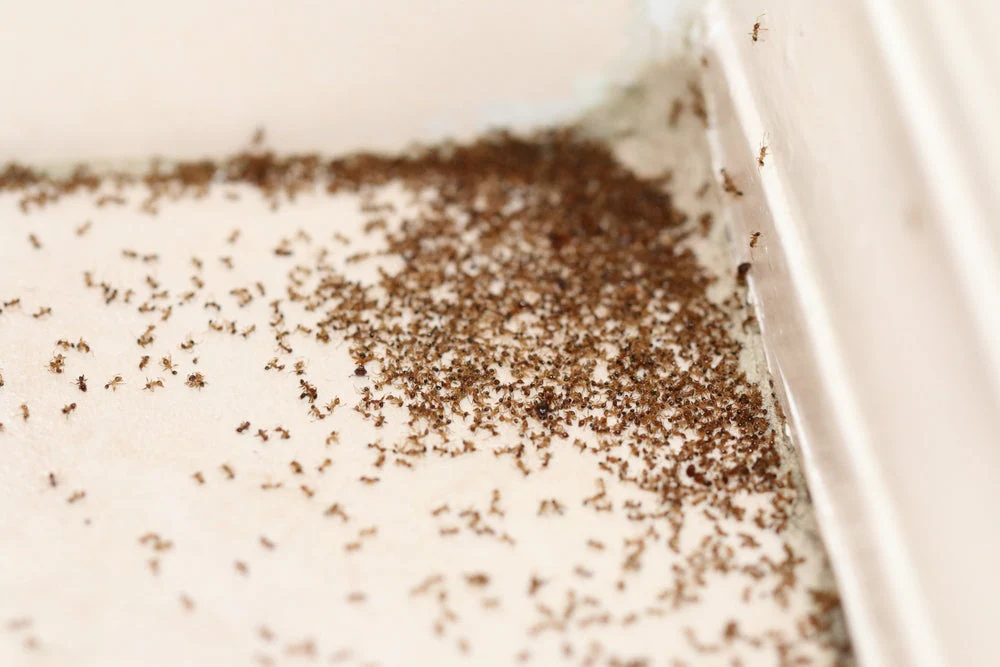
Frass, or small heaps of sawdust or wood shavings, can be found near walls, baseboards as well as wooden buildings. This is a major sign that carpenter ants are hollowing out wood to construct their nests. The early infestation is easy and quick to detect with the help of regular monitoring.
Hollow or Damaged Wood
Timber that resounds hollow when struck or which bears visible grooves as well as tunnels may be a pointer to an ant nest. Carpenter ants gnaw through wood gradually in order to make a chamber. The damage may not really be very obvious, but it may grow with time, assuming you ignore it very much.
Rustling or Noises in Walls
The slightest rustling or tapping in walls, ceilings or floors can indicate the presence of a nest of carpenter ants. One can hear them the most at night when ants are moving. Listening to these hints will assist in quick ant removal GTA.
Common Areas for Signs of an Indoor Carpenter Ant Nest
Wooden Beams and Joists
Carpenter ants also like nesting on wooden beams as well as floor joists. Instead, they like rotting or wet wood. Regular inspection of these places, particularly in basements, attics, and crawl spaces, would help detect colonies before they cause much destruction.
Window and Door Frames
Nesting is very common in frames surrounding windows as well as doors. The presence of moisture or slight damage to wood attracts the ants to the places. Close scrutiny of corners and edges can show any small opening or frass deposits, which point to indoor activity.
Wall Cavities and Baseboards
Carpenter ants nest well on baseboards and cavities within walls because they can access and protect them easily. Cracking of paint, little holes, or frass build-up along these lines is usually an indication that ants have resided in concealed wood-holes.
Causes of Signs of an Indoor Carpenter Ant Nest
Moisture-Damaged Wood
Carpenter ants take wood as the major attraction exposing to areas of water leakages, humidity, as well as moisture. Wood becomes soft due to moisture, which makes it easy to be chewed by ants. Leaks and water damage in the plumbing needs immediate repairing to minimize the possibility of indoor nesting.
Decaying Structural Wood
Dry or rotten timbers in the walls, beams or floors are a major cause that give rise to carpenter ant colonies. Rotting wood serves as shelter and food to ants. You can perform smart ant control Vaughan by regularly inspecting the weak wooden structures and repairing them.
Openings to Easy Access
Ants enter homes through cracks, gaps as well as entry points that are poorly sealed. Carpenter ants can use these vulnerabilities to access the wood structures in the house. Their nesting capacity can be minimized by ensuring doors, windows, and utility entry points are well sealed.
Nearby Outdoor Colonies
During spring or summer, carpenter ants can easily emigrate indoors out of immediate outdoor colonies. A bridge can be made from trees, stumps, or wooden debris near the house. Elimination of these wood sources and maintenance of a perimeter is discouraging indoors nesting.
Smart Measures to Stop Signs of an Indoor Carpenter Ant Nest
Regular Home Inspections
Check wooden structures, walls and frequent nesting sites on a regular basis. This is due to the fact that early detection is followed by a swift intervention before damage can be severe. Note any moisture, cracks, frass, and ant trails. Planned examination assists in ensuring the structural integrity and minimizing the chances of concealed colonies.
Seal Leaks and Minimize Moisture
Fix leaks and condensation in the plumbing and water damage. The carpenter ants are attracted to moist wood. By keeping the inside of your home drier and adding more ventilation to basements, kitchens and bathrooms, you are able to make your home a less desirable nesting site for the ants.
Sealing all Possible Entry Points
Narrow cracks, apertures and openings around doors, windows and foundations. Ants cannot get into indoor areas because of proper sealing. Effective means of preventing possible access points and deterring infestations include weather stripping, caulking, and mesh coverings.
Remove Nearby Wood Debris
Store firewood, tree stumps as well as wood debris out of the house. The carpenter ants may have a way to your house using outdoor wood as a source or bridge. Deforestation minimizes the chances of ant migration into the house.
Use Ant Baits Strategically
Place the ant baits around paths, access points as well as nesting places. The bait is transported to the colony by the ants, which is an effective way of minimizing its population. The correct use of baits not only kills those ants that are visible, but also at the source.
Contact Professional Pest Control
In case other means do not help to eliminate signs of pests, then professional ant removal Barrie helps to eliminate them safely and completely. This is possible through the identification of nests, treatment of wood, and advice from experts to prevent future attacks. A quick professional response reduces the losses and secures your house.
Stop Carpenter Ants Before They Destroy Your Home!
Don’t let carpenter ants wreak havoc on your home! Trust Top Pest Control for expert inspections and guaranteed ant removal. Our professional team uses safe, eco-friendly solutions to eliminate indoor carpenter ant nests completely. We also provide long-term prevention strategies to keep your home ant-free. Protect your family and property from costly wood damage!