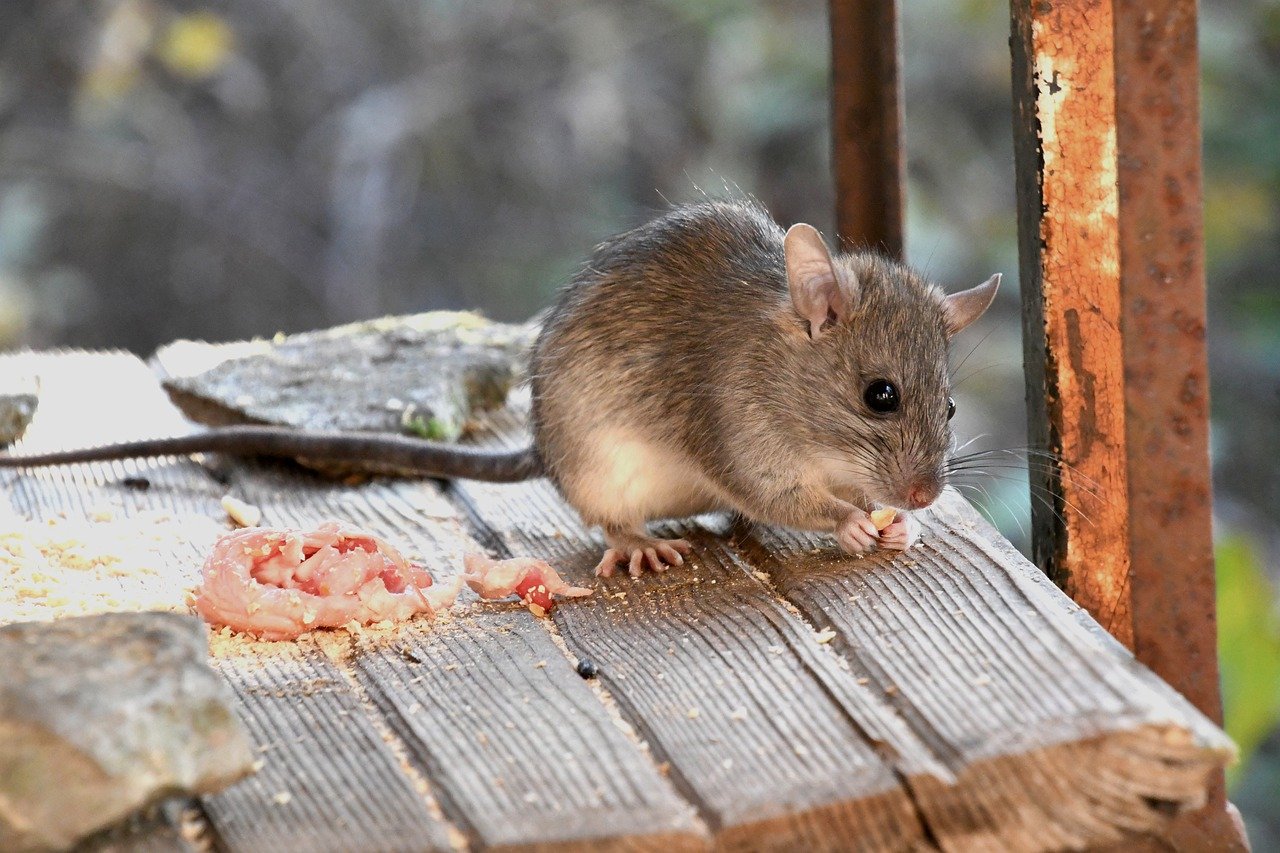
A lot of homeowners would question do mice eat roaches. Although for some people it is easy to believe the fact that rodents do prey on roaches, the reality is not that simple. The mice are opportunistic feeders and generally feed on grains, fruits, and scraps instead of hunting insects. It is essential to know what the mice are eating to tackle the problem of pests better. Right through this guide, we will explain the myths vs reality behind do mice eat roaches or not. A few smart measures are also shared to have effective and safe results for the environment.
Do Mice Eat Roaches: The Reality Explained
Mice are one of those common pests that have versatile diets. They primarily feed on the seeds, grains, fruits, and vegetables. Meanwhile, they are opportunistic feeders and feed on whatever food they find. They can also, in extreme instances, consume small insects when other food supplies are limited. Cockroaches are, however, not the typical meal of a mouse.
Cities, especially, are primarily dependent on vegetarian food sources and stored human food. This knowledge will enable homeowners to deal better with both mice and insects since it makes it clear that mice are not going on a hunt to find roaches. But in some cases, it could be one of their food sources, where they have no other choice.
Understanding the Nature of Mice’s Diets
Mice are mostly herbivores, though they may be omnivores. They consume seeds, grains, fruits and vegetables and occasionally insects also. Mice are opportunistic, and they adjust their diet depending on what is accessible to them. This allows them to survive both in wild and urban environments. Thus, they are resilient, although picky about what they consume. As you notice mice in the huge population in your home, instantly hire expert services of mice exterminator GTA.
Mice are plant-eaters, although they can also be opportunistic predators. They can also attack tiny insects when there is a lack of other sources of food. They hardly eat insects such as cockroaches in cities. This behaviour leads to the realization that even mice can consume insects. They mostly prefer the consumption of grains, seeds, and fruits and thus, roaches are a rare item in the menu of these rodents.
Common Myths About Mice Eating Roaches
Myth #1: Mice Are Natural Roach Hunters
It is perceived by many that mice are aggressive hunters and will hunt cockroaches to tame the infestation. Mice can chew on roaches, but they do not target them as food. Use of mice to control pests is not practical, with the population of roaches still being a big problem.
Myth #2: Mice Only Eat Roaches
Against this myth, roaches would hardly be a favourite food. Grains, fruits, seeds and leftover human food are the major favourite foods of mice. Cockroaches are another snack food taken now and then when other prey is unavailable and constitute a tiny portion of the dieting of a mouse.
Myth #3: Mice Can Be Used for Pest Control
There are some people who prefer keeping mice to reduce the number of roaches. In practice, it is counterproductive! Mice cause diseases, pollute food, and increase the infestations. They are not efficient enough predators to cope with roaches, and their introduction leads to more problems than solutions.
Smart Strategies to Control Mice Population at Home
Sealing all Possible Entry Points
No mice should be allowed to enter your home. You should ensure that you close all gaps, cracks and holes on the walls, floors and doors. Their entry can be through small openings. Routine inspection and maintenance of the house structure is the key factor to ensure successful mice removal Barrie.
Maintaining Proper Cleanliness
Keep your home clean and tidy. Sweep, mop, and vacuum floors on a regular basis. Eradicate food crumbs and spills as soon as possible. It is advisable to avoid leaving dirty dishes overnight. Cleanliness reduces the food sources that appeal to mice, making your home less attractive to mice.
Storage of Food Properly
Store dry food and grains and pet food in airtight containers. Do not leave food on counters and tables. When the storage is done correctly, the mice do not get easy access to nourishment that is important in keeping the mice in check.
Managing the Waste Efficiently
Do not leave trash outside every day and make sure garbage bins are always closed. Wash containers regularly to eliminate food leftovers. Waste management means that mice do not have food available to them around your house, and infestation will be avoided.
Declutter Your Home
Minimize the clutter, particularly in the storage space, basements, and attics. Mice may nest in the cardboard boxes and heaps of paper. Space organization gets rid of hiding areas and simplifies the detection of rodents.
Use of Natural Repellents
Some natural repellents, such as peppermint oil, cloves, or dried chilli, may help with mice control Vaughan. Install these in cupboards, nooks, and door openings. These non-toxic solutions will minimize rodent action without bringing dangerous substances into your house.
Put Traps in the Right Places
Put snap traps, glue boards or electronic traps in places where they see mice. Pin traps in walls and around the potential entry points. Constant inspection keeps the environment under control by ensuring that the rodents trapped are removed within a short time.
Protect Your Home from Pesky Pests with Top Pest Control Today!
Don’t let pests rule your space! Top Pest Control offers expert, safe, and reliable solutions to eliminate mice, roaches, and other infestations. Our trained professionals provide customized treatment plans, ensuring long-term protection for your family and property. Act now and reclaim a clean, healthy home. Schedule your inspection today and experience guaranteed results from the leading pest control experts in your area.