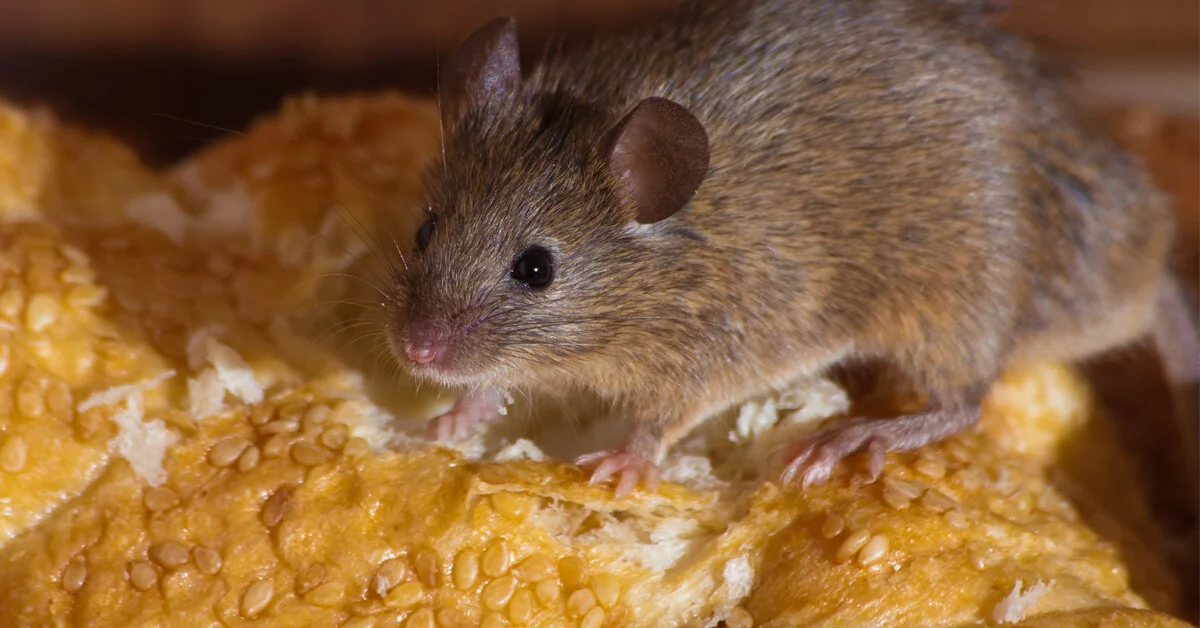
Mice might look tiny, yet they are still brilliant and unpredictable in the way they behave inside homes and gardens. Knowing what mice feed on is not merely a matter of interest; it is one of the significant steps to avoid infestation. Their presence inside a property results in massive damage and disease transmission. The question many house owners would ask is, do mice eat bugs, and what others are on their menu. This guide pays closer attention to rat eating habits and whether mice eat bugs or not. It also includes more practical tips to ensure that the homeowners keep their homes safe and mouse-free.
Do Mice Really Eat Bugs? Reality Explained
Mice are plant eaters, but their diet does not follow this rule strictly. Besides grains, seeds and fruits, mice occasionally feed on insects and tiny bugs, particularly when other food is limited. Consumption of bugs gives them an added source of protein that aids in growth and energy. This act is more prevalent in the open air or in places that have few food choices.
Mice can also sometimes consume insects they come across at home, though this is not their staple food. This knowledge helps the homeowners in dealing with mice control Vaughan easily, without exposing the food or living areas to contamination.
Signs That Mice Are Eating Bugs in Your Home
1. Small Insect Remains
When you see bits of tiny insects along walls, cupboards, or corners, it could be that the mice were feeding on bugs. Insects are also easy prey. Thus, slight but noticeable evidence of their presence is found in fragments of wings, legs, or exoskeletons left behind by insects.
2. Increased Mouse Activity at Night
Mice are nighttime creatures, and when they are feeding on bugs, you will hear more scratching or scurrying around in the dark. Abnormal nighttime activity is an indication of both mice and their snacking on insects.
3. Droppings Mixed with Insect Bits
The mouse droppings are, at times, insect traces. The presence of small, dark droppings as well as part of the shells or bodies of bugs indicates that they have been eating insects, which contain additional protein in their normal diet. Hiring expert services of mice exterminator GTA can help you identify the signs better.
Smart Ways to Prevent Mice from Entering Your Home
1. Sealing All Entry Points
Mice can penetrate through small holes in the walls, doors, and foundations. Go around your house and fill cracks with caulk or metal. Entry points can be blocked, and this is the most effective method, whereby mice will not be able to enter and damage the places. It is always better to prevent rather than cure an infestation later.
2. Keeping Your Home Clean
Mice are drawn to food waste and spills, and crumbs. Keep your house tidy and clean, vacuum the carpet and wipe everything. Eliminating easy access to food makes your home less attractive and reduces the risk of the infestation of mice, keeping both insects and mice at a distance.
3. Store Food Properly
Pantry items and pet food should be in airtight containers. Storing correctly will ensure that mice do not spoil your food and do not have food in their own house. A practical yet easy method of deterring opportunistic feeding is to use sealed containers so that the mice are not accustomed to using indoor food sources.
4. Manage Outdoor Spaces
Prune excessive vegetation and clean up around your house. Crowded places offer hiding places to mice. By ensuring a clear perimeter, they find it challenging to enter your house and the insects that mice consume are minimized. Effective mice removal Barrie involves outdoor maintenance.
Interesting Facts About Mice Eating Bugs
1. Opportunistic Diet
Mice are predatory eaters. Although they primarily consume seeds and grains, they will consume insects when they find them. Such adaptability is adapted to give them a chance to survive under a variety of conditions, and to have the appropriate amount of nutrients, when the regular food supply is reduced.
2. Protein Boost
Insects contain more protein and nutrients than are needed by mice. This diet supplement especially helps young mice to grow and provides energy. Hence, this protein enhance is also used by adults in foraging and avoiding predators, and this shows their survival mechanisms.
3. Seasonal Behaviour
Mice tend to consume insects when they are in abundance, especially in spring and summer. Insects are not numerous during colder seasons; hence, their food changes to grains and stored foods. The mice are the most influenced by seasonal changes.
4. Pest Control Role
Mice have the potential to consume insects and thus reduce specific pest populations. Although the mice are themselves a pest, this activity demonstrates their position in local ecosystems. Bug feeding is beneficial as it provides an opportunity to balance the population of the insects in the gardens and outdoor areas.
5. Adaptation Skills
Mice adjust very fast to the environment and the food they have. By consuming insects, it is noticeable how adaptable they can be to live in various conditions, whether they are in the forest or a city home. One of the reasons why they are successful is their flexibility in diet.
Protect Your Home Today with Top Pest Control!
Don’t let mice take over your home. Our expert team at Top Pest Control identifies, eliminates, and prevents infestations quickly and effectively. Using safe, eco-friendly methods, we protect your family, pets, and property from rodents and pests. From sealing entry points to tailored treatment plans, we handle it all. Act now and reclaim your home!