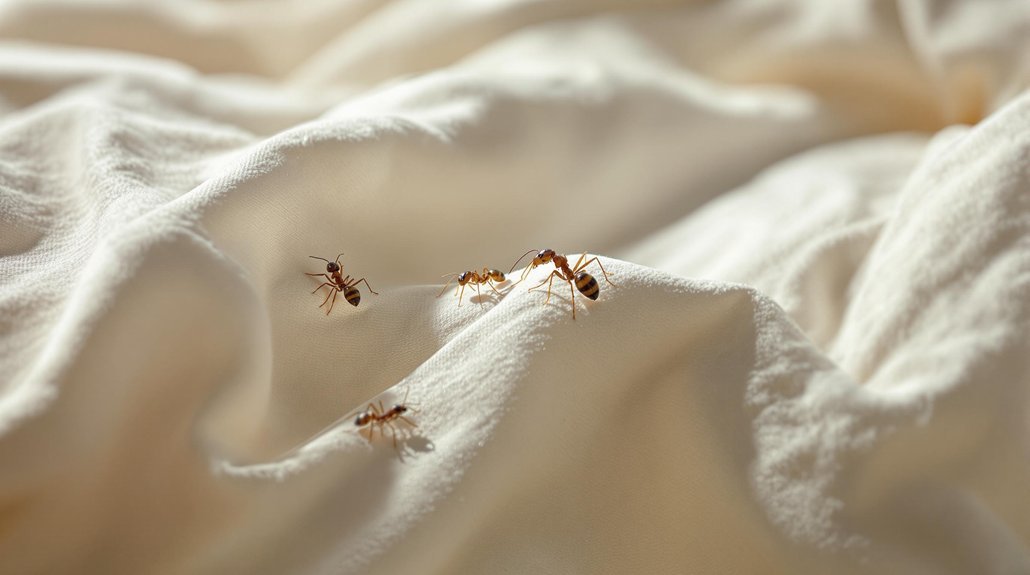
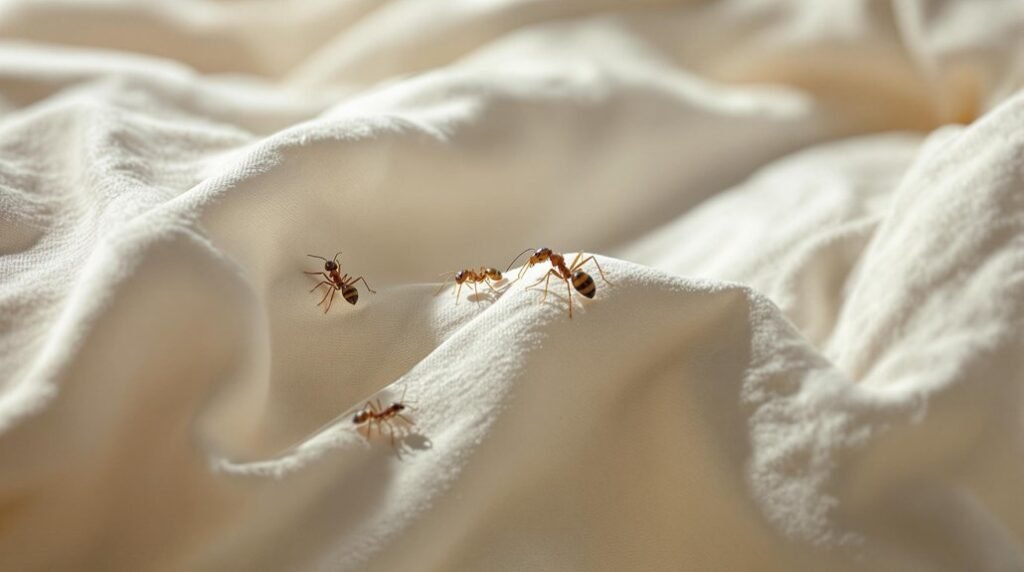
Ants are one of the most well-organized and hardworking insects in Canada. Knowing do ants go to sleep or not is an interesting fact to understand how they run their lifecycle. It seems they never rest because they are constantly moving in lines, in search of food or building nests. But, according to scientific research, ants also have their rest or sleep duration. Their survival, coordination and efficiency of the colony depend on these rest cycles. The knowledge of do ants go to sleep helps in explaining elaborate behavior and well-organized social structure.
Do Ants Go to Sleep? Reality Explained
Ants do rest, but their sleep is unlike humans’. They do not sleep in a single, continuous form, but rather, sleep in short bursts whenever they feel like resting. These few minutes of rest lead to conservation of energy, enhancement of concentration and alertness. Their colonies have a complex social structure, and this is also criticized by the rest. It facilitates communication, coordination and survival.
A small break is beneficial to them, as it allows them to rest following physically intensive activities such as foraging, defense, or on the larvae. Colonies would not be able to operate effectively without these micro-rests. Even with short arcs, sleep is vital to the successful existence of ants. Once you start noticing their population, it is important to take immediate action of ant removal GTA.
Differences Between Queen Ant and Worker Ant Sleep
Queen Ant
Queen ants rest more than the worker ants, and they also take short, frequent naps. These micro-rests save this energy and contribute to reproductive health, which gives them the opportunity to concentrate on egg-laying and stabilize colonies. Their sleeping schedule also guarantees their long life and the role that they play as the main character of the colony. Even short naps make the queen active and alert.
Worker Ant
Generally, workers ant rest for several short periods. Their light periods of rest enable them to forage, clean and guard the colony effectively. When taken shortly, naps restore energy without interfering with the activity, keeping the hive going. A rest and work ratio helps workers to sustain the colonies. This also shows their extraordinary effectiveness in coping with their everyday tasks which also require immediate ant control.
Major Reasons Why Ants Need Rest
Energy Restoration
Restoration of energy occurs after energy-rewarding activities, such as foraging and nest maintenance, through rest. Their resources are soon exhausted by their frequent activity, so micro-naps are a necessity. Such short intervals enable the ants to replenish energy, maintain the output and keep helping the colony to the fullest without the danger of fatigue and low efficiency.
Cognitive Function
Even straightforward ant activities need attention and coordination. Minimal rest-time increases alertness, memory and decision making. This is a guarantee that the ants overcome obstacles, find food, and communicate effectively in the colony. The micro-sleep helps them to repeat complicated social actions all day long.
Physical Repair
Ants repair their bodies during rest, changing them daily. Micro-naps contribute to muscle recovery and the repair of cells, which increases their stamina and their quality of life. Their physical fitness helps the ants to carry out strenuous duties, which are necessary for the survival of the entity as well as the well-being of the entire colony.
At What Time Are Ants Most Active?
The activity of the ants is always dependent on the species and the environment. Most of the ants can be most active in the early morning and in the late afternoon when the weather is warm. During these intervals, efficient foraging, nest repairs and colony defense are possible. High or low temperatures decrease their motion and activity. Nocturnal species are exempt, and they move their activity at night.
Optimal activity is accompanied by the best communication and collaboration. The energy requirement of ants is balanced by the timing of their active activities. This way, they can use energy efficiently during the day and night, thus making the colony work all day and all night efficiently. If you start noticing their colonies in too much quantity, go for hiring professional services of ant control Vaughan.
Scientific Facts Behind the Resting Cycle of Ants
The sleep pattern of ants is polyphasic. According to this term, they have several short naps rather than a long sleep. The individual rest periods take a few minutes but add up to some hours in a day. These naps are essential to the functionality, memory and coordination of the brain. According to scientific research, such distinctive sleeping patterns facilitate teamwork, foraging and the survival of colonies.
Even short intervals enable the ants to physically and mentally resilient themselves. Through deliberate strategic resting, ants maintain productivity, energy and social cohesion. This is why their very simplistic body size and size-specifically tiny but highly organized day-to-day lives are characterized by a complex biology.
FAQs: Common Questions People Often Ask
1. What is the duration of ants sleep per day?
The worker ants have approximately 200 short naps in a day, amounting to four or five hours of rest throughout the entire day.
2. Are the queen ants more likely to sleep than the worker ants?
No, queen ants have longer and deeper periods of rest than the workers since their reproductive functions demand more rest.
3. How are naps beneficial for ants?
Regular brief naps enable the ants to remain continuously active in the colony and at the same time receive the rest to provide the energy and even coordination.
4. Are ants capable of working without sleep?
Ants, like most other animals, require rest. Lack of sleep-like intervals would reduce their energy, coordination and the capacity to do the tasks.
Eliminate Ant Problems Fast with Top Pest Control
If ants are invading your home or workplace, professional pest control is the fastest and most reliable solution. At Top Pest Control, our trained experts in Canada use safe, advanced treatments to eliminate ant colonies at the source, not just the visible ants. We provide thorough inspections, targeted solutions, and long-term prevention to keep your property pest-free. Don’t let ants take over your space.