
Bed bugs are the tiny yet intractable house pests that lead to extreme tension and discomfort. Most people think that these insects can only live in beds and mattresses. This is a common mistake. As a matter of fact, bed bugs are talented in conceiving in numerous places. Among such questions is: can bed bugs live inside walls? It is essential to understand the infestations of the walls to control them. By understanding where bed bugs live, the house owners can make better decisions on how they will treat them before they can spread to other areas in their houses.
Reality Behind Can Bed Bugs Live Inside Walls
The answer to the question, can bed bugs live inside walls, comes as a shock to many homeowners. The answer is yes! Bed bugs are excellent hiders. They may find it easy to crawl in the cracks in the walls, behind baseboards, and in areas around electrical outlets. Walls provide darkness, coziness and security, and that is why they give the best hiding place.
Hence, bed bugs can also move to the beds and furniture at night through inside walls. This increases the difficulty in noticing and controlling infestations. The understanding that bed bugs may even reside within walls can make homeowners take the initiative early enough. They can select appropriate ways of treatment of bed bug control Barrie for long-term results.
Understanding Bed Bug Behaviour and Habitat
Bed bugs are tiny insects which live off human blood. They are the ones that are active at night and like to hide during the day. Their bodies are flat and can be squeezed in small crevices like seams, cracks and small holes. Warmth as well as carbon dioxide attract bed bugs as they aid them in locating people as they rest.
Beds are a basic hiding place, although they can inhabit most parts of a room. The behaviour and habitat of the bed bugs are significant as they show how the infestations are transmitted and why it is essential to treat more than bed mattresses and furniture.
Significant Signs of Bed Bugs Living Inside Walls
Dark Stains Near Wall Openings
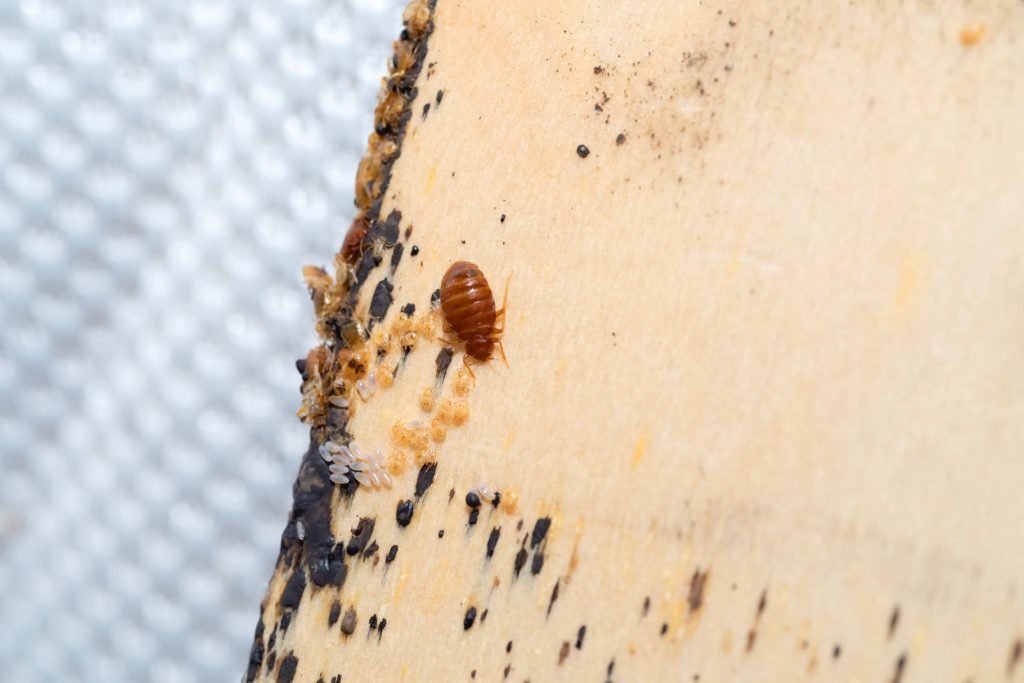
The dark ink-like marks that appear around the cracks, outlets or baseboards are usually a sign of bed bugs that have hidden in the wall. These are feces that percolate paint or wallpaper. The constant revisiting of the same areas would indicate an active infestation through the walls.
Persistent Bites Despite Clean Bedding
Even when the bedding is treated or changed, unexplained bites can persist. In the case of bed bugs, when they meet the criteria of residing in the wall, they will come out through electrical outlets, cracks, or ceiling joints to feed. Hence, persistent bites in several rooms with no mattresses or furniture shows the occurrence of infestations at home.
Shed Skins Around Cracks and Outlets
Cases of shedding as well as live insects can be found around openings in the walls. The bed bugs also shed their shells as they become larger. Their occurrence around the outlets, cracks, or behind loose wallpaper is often an indication that the colonies have inhabited the wall cavities.
Property and Health Risks of Bed Bugs Inside Walls
It is dangerous when bed bugs are concealed in walls, as they can be a significant source of property and health risks. They move between rooms via cracks, outlets as well as plumbing within wall cavities. This increases infestations, both making them more difficult and costly to eradicate.
Constant infestations may lead to destruction of property, repeated treatment, and displacement of furniture, bedding and clothing. It causes health risks such as itchy bites, allergy, secondary skin infection due to scratching, sleeping disturbance, anxiety and stress.
Furthermore, bed bugs are not disease-carrying, but prolonged exposure can result in deterioration of mental health and an increase in asthma or dermatitis. Early diagnoses, deep examination, closure of entry points, and timely bed bug removal Vaughan are crucial to safeguard the property.
Smart Ways to Prevent Bed Bugs Inside Walls
1. Seal Cracks, Gaps, and Wall Openings
Bed bugs are little creatures that mostly nest and move along small cracks on the wall, electric sockets, and baseboard crevices. Caulking or sealing such openings eliminates their avenues and hiding places. Be particularly careful of wall joints, outlet covers, and pipes/vent circumferences. Hiring expert services of bed bug exterminator GTA can help you inspect the property properly.
2. Reduce Clutter Near Walls
Cluttering near rooms provides bed bugs with additional hiding as well as breeding spots. Have a slight distance between the pieces of furniture and the wall. Do not store boxes, clothes or piles of paper at the corners of the walls. A clean, open area also renders the infestations easier to identify and difficult to maintain.
3. Use Protective Covers and Barriers
Outlet covers, switch plate seals and mattress encasements can be used to ensure that bed bugs do not get in or out of the wall spaces. These walls restrict the inter-room motion and minimise concealment areas. The sound quality encasements also catch the existing bugs and do not allow them to propagate.
4. Inspect Second-hand Furniture Carefully
Old furniture has been a popular origin of bed bugs, which eventually infest the walls. Inspecting seams, joints and underside should always precede the introduction of items into the house. Treat or vacate second-hand pieces with heat or approved insecticides to ensure that there are no hidden bugs that may escape to the voids of the walls.
Stop Bed Bugs at the Source with Top Pest Control
Bed bugs hiding inside walls won’t disappear on their own, and DIY methods often make the problem worse. Top Pest Control specializes in advanced bed bug treatments that penetrate walls, eliminate hidden infestations, and prevent future outbreaks. Don’t let bed bugs spread silently. Schedule your inspection today and reclaim your peace of mind with Top Pest Control.